About Agarwood Inoculation Service
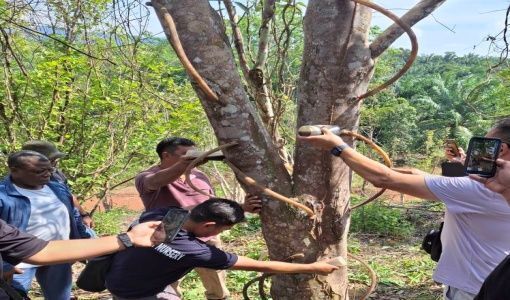
Wounding: Holes are drilled into the tree's trunk to create a wound, which signals the tree to produce resin.
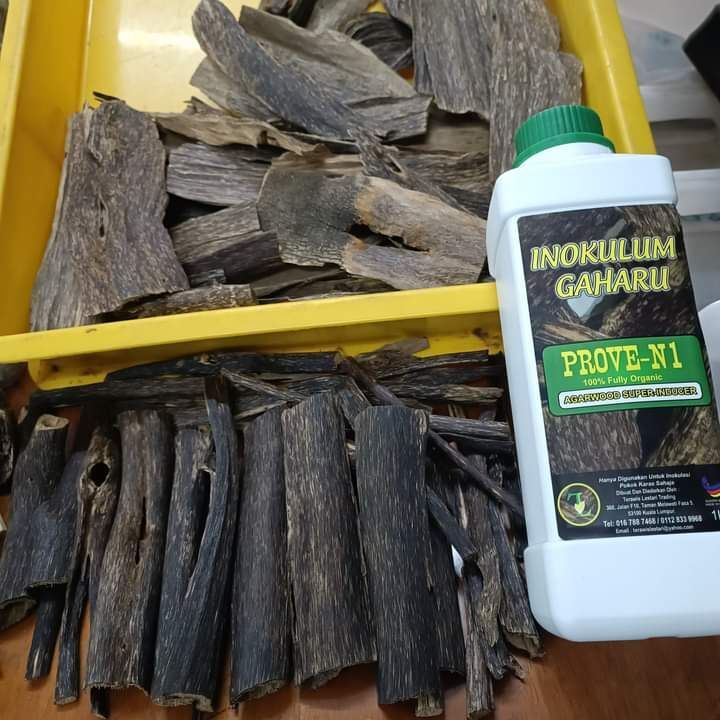
Inoculation: A mixture containing chemical compounds (like methyl jasmonate) or specific fungi (such as Fusarium or Lasiodiplodia) is injected into these holes.
Application: The inoculum is delivered using various methods, including slow-drip systems for gradual absorption or transfusion sets for whole-tree distribution.
Monitoring: The service often includes meticulous tagging and documentation of each inoculated tree to track its progress, health, and yield.
Benefits of using the service
Increased yield: Artificially stimulating resin production leads to a higher quantity of agarwood.
Enhanced quality: Inoculation can produce higher-quality agarwood that meets specific standards.
Faster production: Some techniques can accelerate the agarwood formation process.
Professional expertise: Services leverage scientific advancements and deep knowledge of Aquilaria tree biology for optimal results.
Sustainable practices: Services can incorporate sustainable methods and data tracking for better management of the plantation.




 Send Inquiry
 Send Inquiry